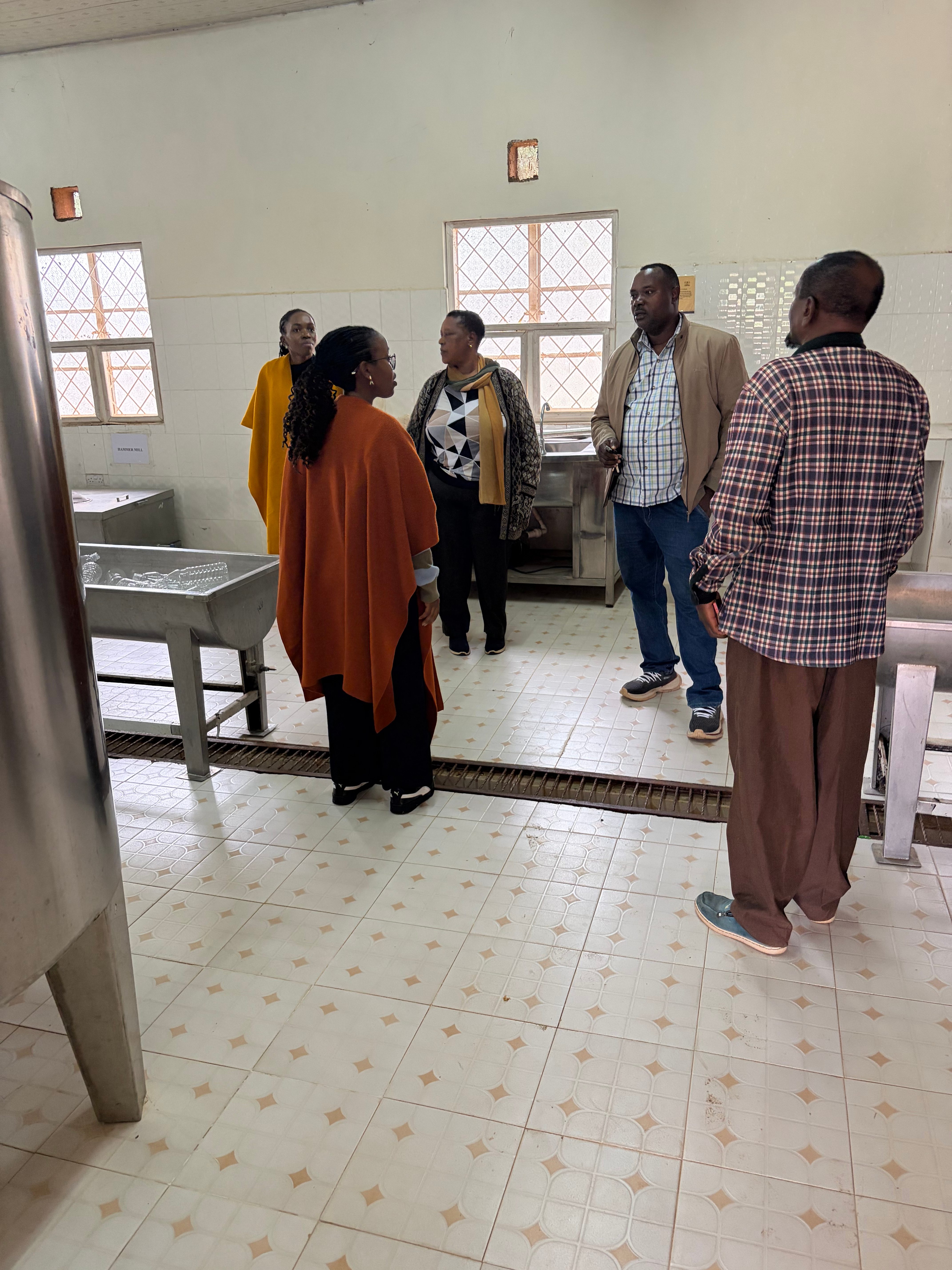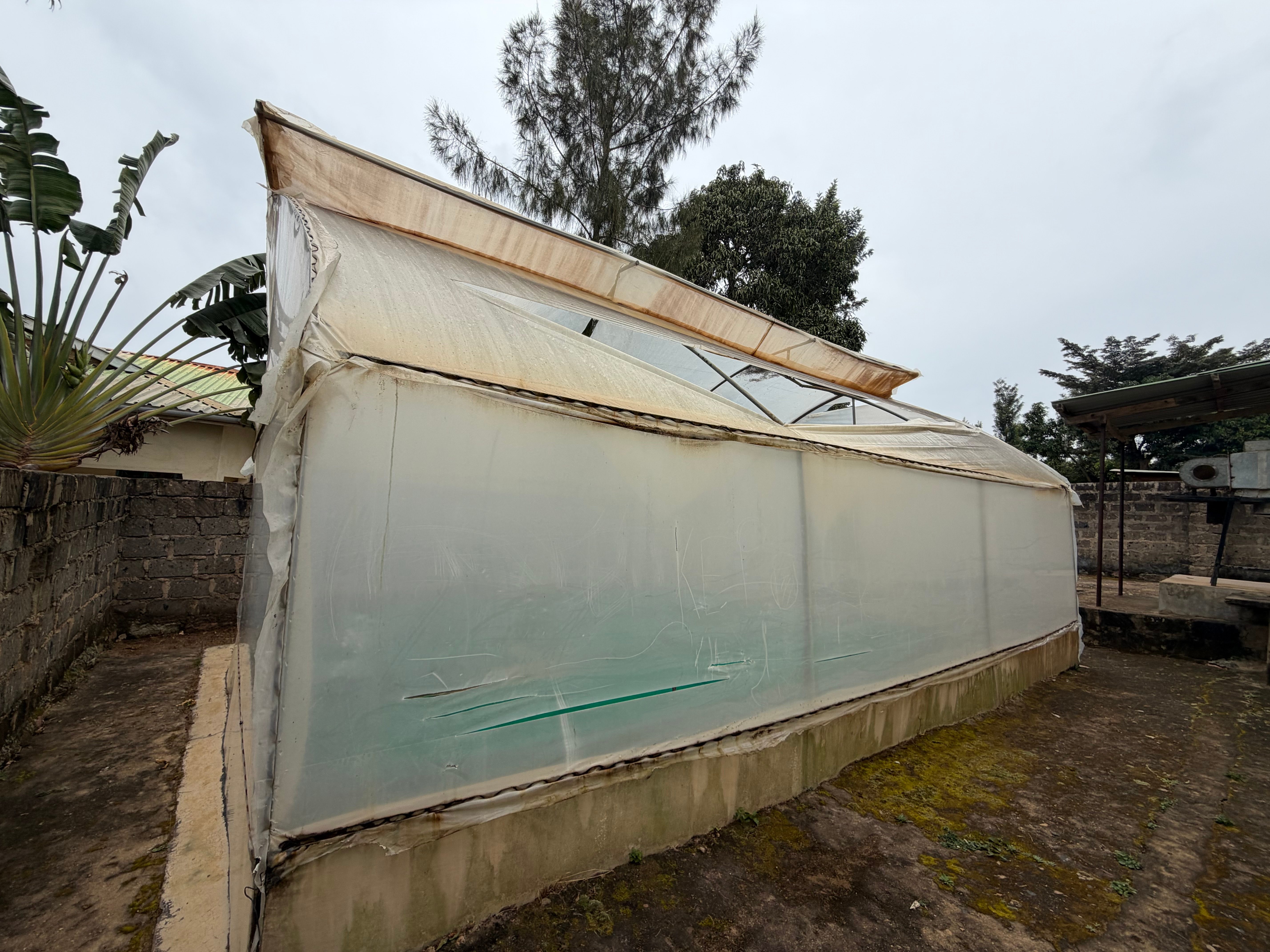
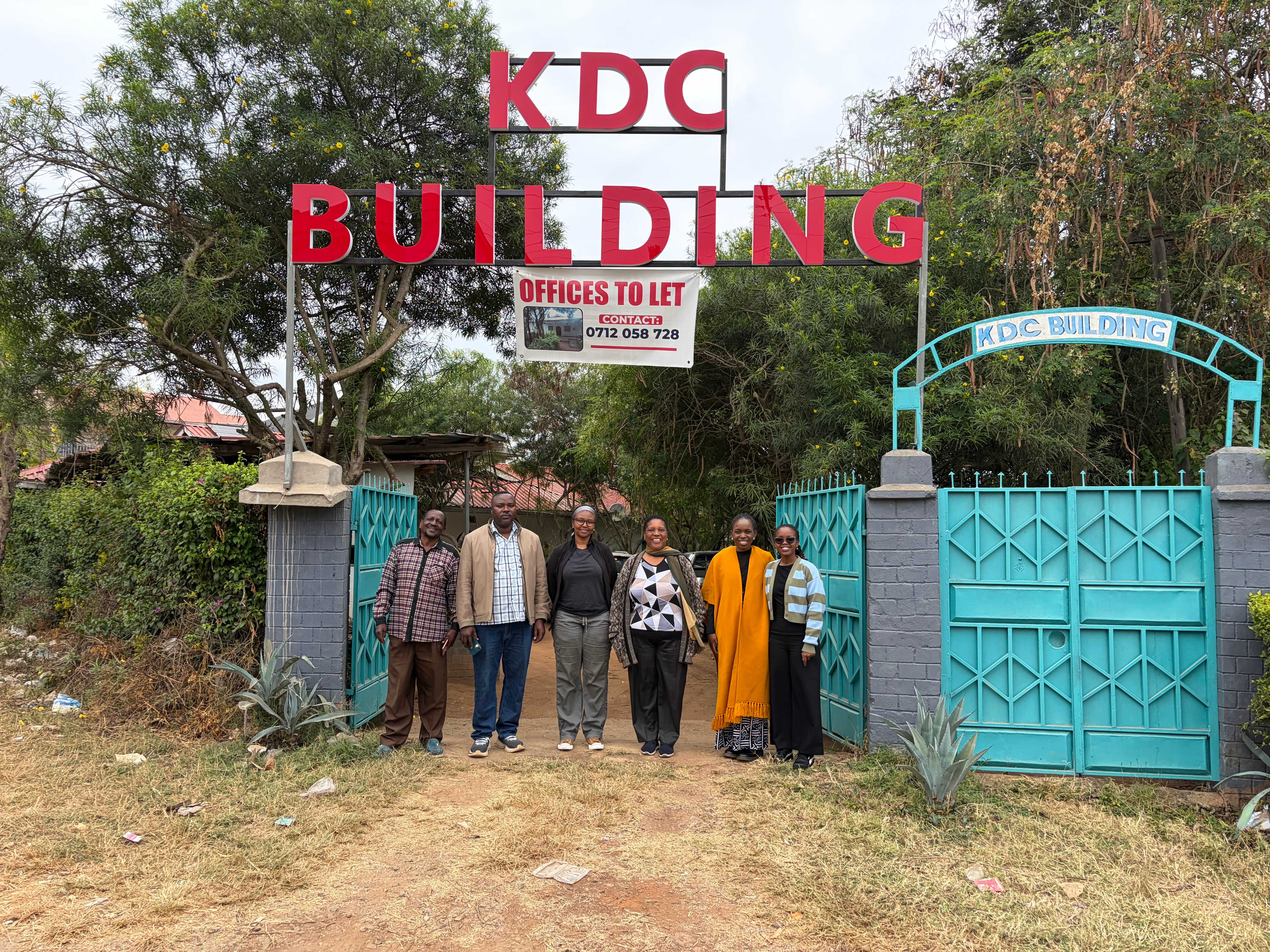
Our team recently spent a day at a mango and sorghum processing factory in Kitui. We came away with one clear conviction: this is among the strongest community enterprises we have seen, and it is being held back by a single, solvable problem. Not vision. Not management. Working capital.
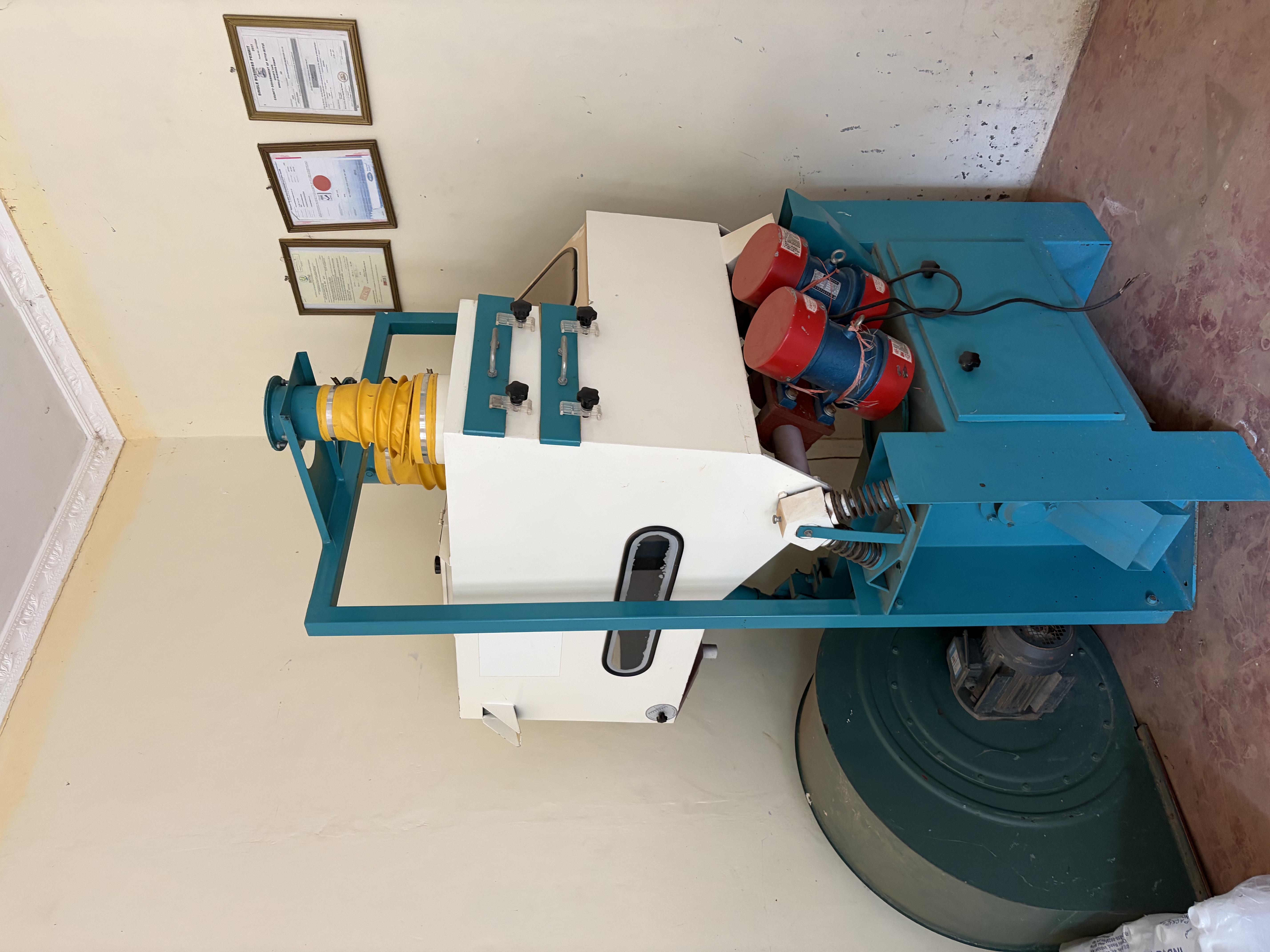
This is a working factory, not an idea in search of proof. It has run for two decades, with equipment that works, buyers who already pay, and farmers already in the supply chain. Kitui is mango country, known for juicy fruit grown largely by women, and the factory gives those women a reliable buyer and a fair price. At full production it turns a single fruit into a complete commercial range.
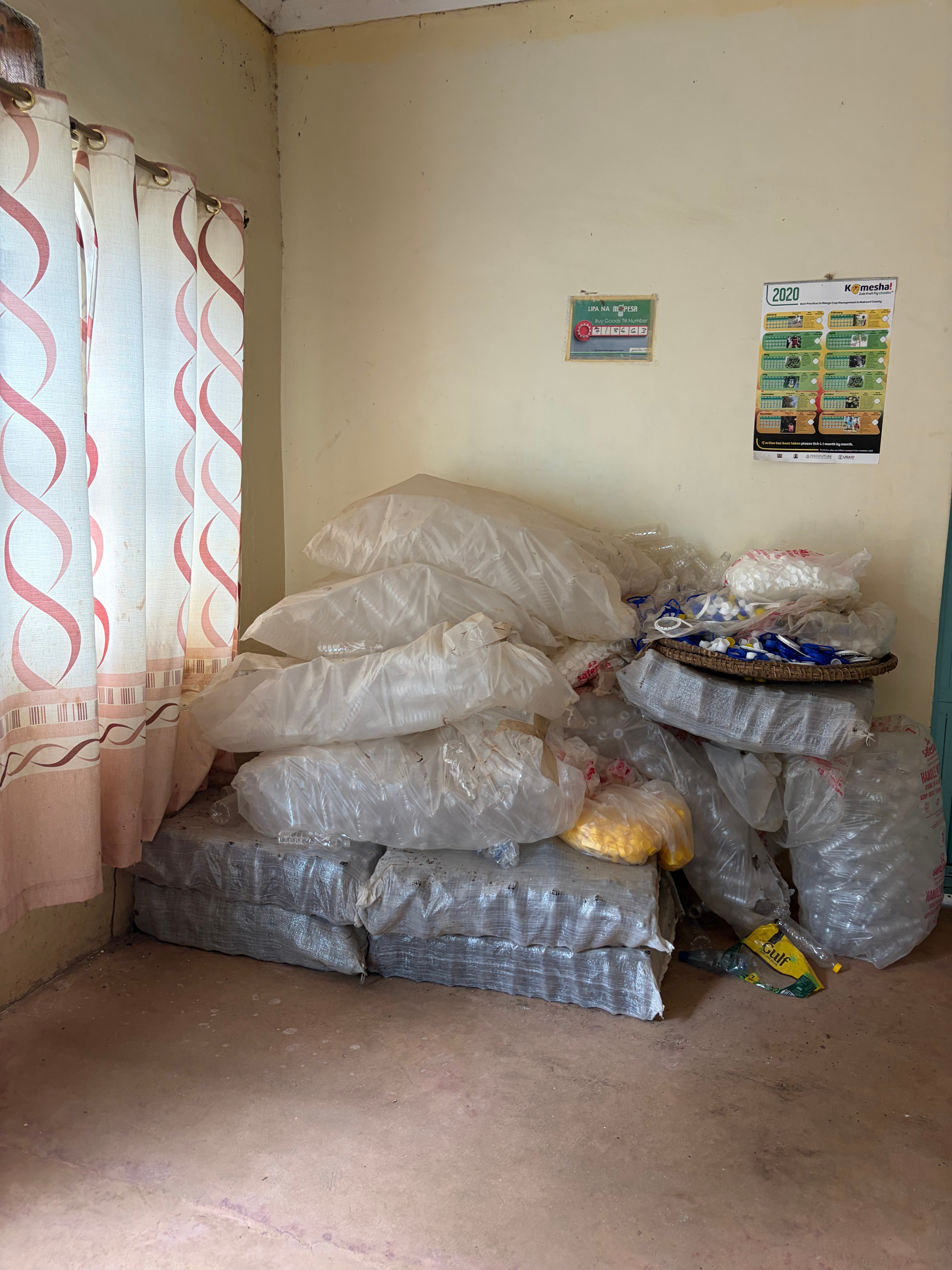
The product range includes mango pulp, ready to drink juice, purified bottled water, mango flakes and powder, and fortified porridge flour enriched with quinoa and groundnuts. Sorghum and other drought tolerant crops keep the lines running between mango seasons, so the factory earns across the calendar rather than in one anxious season. There is value even in the waste: peels become animal feed, and seeds go into tree nurseries and oil extraction.
Its impact runs deeper than processing. The factory anchors a local economy: a revolving fund that lends to farmer groups, years of financial literacy training, clusters that meet regularly and practise table banking, and training in good agricultural practices and food safety. It reaches thousands of farmers, most of them women and many under 35, and it creates jobs for women, youth and people living with disability. When this factory runs, thousands of households earn more. When it slows, they feel it first.
The stakes are not abstract. In Kenya, an estimated 40 to 50 percent of mangoes are lost after harvest for lack of processing and markets [1], while Africa's food import bill, driven by weak local processing, has been projected to climb to more than 110 billion US dollars a year, value that could be created at home [2]. Women make up close to half of sub-Saharan Africa's agrifood systems workforce [3]. A working factory like this one, which turns loss into income, matters most to the people the food system too often leaves behind.
It would be easy to see a factory operating below capacity and assume poor management. The evidence says the opposite. This is not a startup: the equipment works, the buyers are established, and the farmers are trained and already supplying. The land is owned outright and past obligations are cleared. When full production stalled, the team adapted and kept operating rather than shutting down. The machines can process far more than the factory can currently afford to buy. The real bottleneck is working capital: the money to buy fruit in season, pay farmers on time, and run at scale. Because the capacity is already installed and paid for, every shilling of working capital converts almost directly into revenue.
This is not a Kitui anomaly. The factory sits squarely in what the sector calls the missing middle: agri-SMEs too large for microfinance yet seen as too small or too risky by banks. Most cannot access the finance they need, leaving an agri-SME financing gap estimated at roughly 75 billion US dollars a year in sub-Saharan Africa [4]. The problem in Kitui is not unusual. It is the defining constraint of the sector, and one that the right capital can solve.
This is the lesson we carried home, and it reaches far beyond Kitui. Community initiatives built on grants and goodwill behave like projects: they run while the funding runs, and they stall when it stops. To serve a community for the long term, an enterprise has to stand on business fundamentals: working capital to operate through the full season, markets beyond the county, pricing that covers costs and generates surplus, and a blend of grant and repayable revolving finance that puts revival capital into a proven operation rather than seed money into an untested one.
Commercial viability is not a betrayal of the mission. It is the only thing that protects it.
A factory that pays its way is a factory still serving women farmers in ten years. That is why we are working to bring this one back to full production, and why we are looking for partners who see both the risk and the return. Reviving a proven operation is a far safer bet than backing an untested one, and Spring Agric's role is to make that case bankable: building the proposals and financial models that make the enterprise investment ready, opening market linkages beyond the county, strengthening credit readiness in the farmer groups, and producing the evidence that funders and investors need.
If you are a funder, investor, offtaker or partner, we want to talk. Reach us at info@springagric.com to explore how we can build this, and enterprises like it, to last.